
Hair Restoration Journalism
UrgentCare Hair
What Does an FUE Hair Transplant Actually Involve?
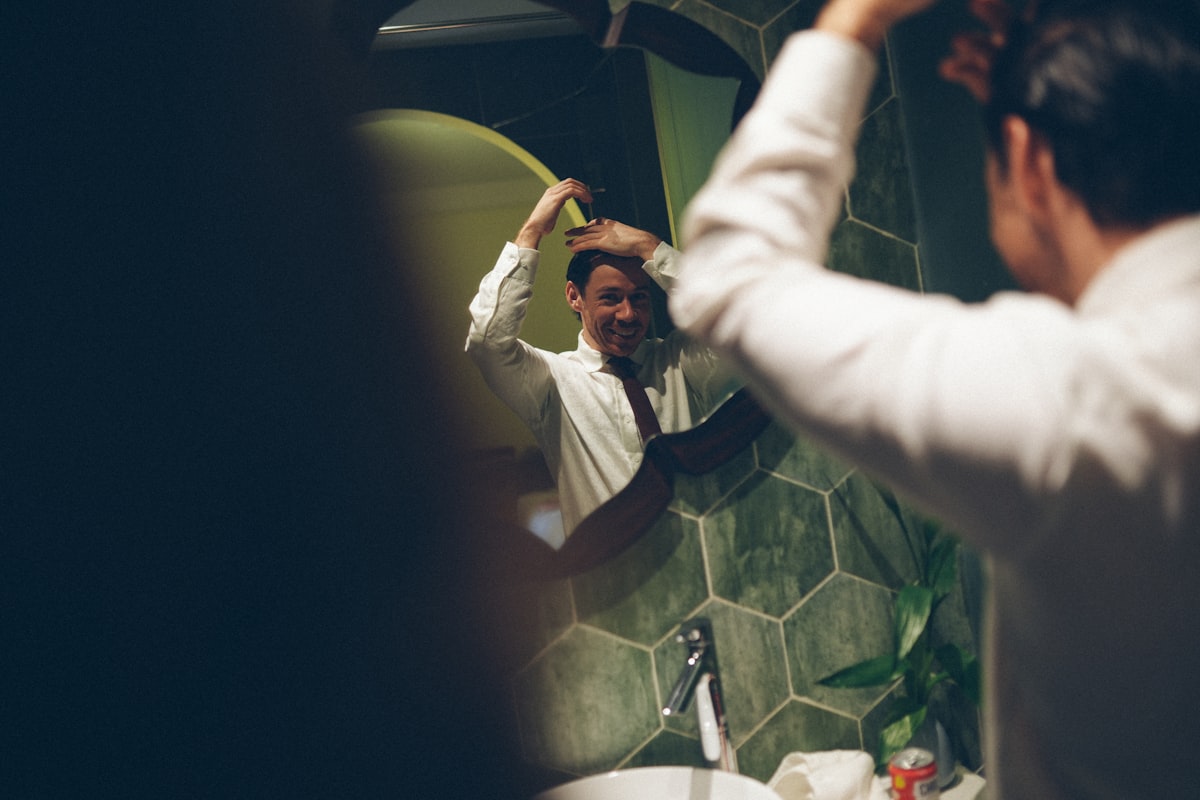
You've booked your hair transplant. The consultation went well, you feel good about the decision, and now the day is approaching. And somewhere in the back of your mind, a question keeps circling: what is this actually going to be like? Not the clinical description from the brochure, but the real, honest, hour-by-hour experience of sitting in that chair. Here's what the day actually looks like.
Before You Arrive
The preparation for an FUE hair transplant is refreshingly straightforward. In the days leading up to the procedure, you'll have been asked to avoid alcohol, blood-thinning medications, and smoking. Some clinics recommend washing your hair with a gentle shampoo the morning of, but otherwise there's nothing dramatic to do the night before. No fasting, no special diet, no pre-medication.
Most patients say the morning of feels oddly normal. You wake up, have breakfast, get dressed, and drive to the clinic. There's a strange ordinariness to it, considering what the day holds. Some people feel nervous. Some feel excited. Most feel a combination of both, with a generous helping of "I can't believe I'm actually doing this."
The First Hour: Consultation and Design
The day starts with your surgeon reviewing the plan. Even though you discussed everything during your initial consultation, this is the moment where the specifics get finalised. Your hairline design is drawn on using a surgical marker, and you'll look at it in the mirror and make adjustments until it feels right.
This part is more collaborative than most people expect. Your surgeon will explain what's achievable given your hair loss pattern and donor area density, but within those boundaries, you have real input. Want the hairline slightly lower? A bit more rounded? This is the conversation where those details get worked out.
Once you're both happy with the design, photographs are taken for your records. These are the "before" shots that you'll eventually compare against your twelve-month result, and they're the ones that tend to make people emotional later.
Getting Comfortable
Here's the part that makes everyone nervous: the local anaesthesia. Let's be honest about it. There's a series of small injections across the scalp, both in the donor area at the back and in the recipient area where the grafts will be placed. It stings. For about five to ten minutes, it's uncomfortable.
And then it stops. Completely. Once the anaesthesia takes effect, you can't feel anything. Not the extractions, not the implantation, not any of it. Patients consistently describe this as the worst part of the entire day, and it lasts less than ten minutes out of a six to eight hour procedure. After that, you're comfortable for the rest of the day.
Most clinics make the environment as relaxed as possible. You'll be in a reclining chair, often with a screen in front of you. Some patients watch entire box sets during their procedure. Others listen to podcasts or music. Some just chat with the team. The atmosphere is calm, conversational, and surprisingly normal.
The Extraction Phase
The first major phase of the procedure is extraction: removing individual follicular units from the donor area, typically the back and sides of your head. This is the "FU" in FUE, Follicular Unit Extraction.
Your surgeon uses a micro-punch tool, typically less than a millimetre in diameter, to extract each follicle one at a time. It's painstaking, precise work. Each extraction takes seconds, but with 3,500 to 4,000 grafts to harvest, this phase takes two to three hours.
You won't feel it happening. What you might notice is a faint sensation of pressure or movement, but nothing that registers as pain. Some patients don't even realise the extraction has started until they're told it's underway.
The extracted grafts are placed into a holding solution that keeps them viable while the implantation sites are prepared. Each graft typically contains one to four individual hairs, and they're sorted and counted as they go.
The Break
Most procedures include a break between extraction and implantation. This is your chance to stretch your legs, eat something, and use the bathroom. The clinic usually provides lunch, and it's a surprisingly social moment: you're halfway through, the hard part (those initial injections) is well behind you, and there's a tangible sense of momentum.
Some patients use the break to look at the donor area in a mirror. At this stage, it looks like a closely shaved area with tiny dot marks where the extractions happened. It's not dramatic. Within a couple of weeks, those dots will be virtually invisible.
The Implantation Phase
The second half of the day is implantation: placing each extracted graft into a tiny incision in the recipient area. This is where the artistry of the procedure lives. The angle, depth, and direction of each graft placement determines how natural the final result will look.
Your surgeon creates thousands of tiny recipient sites, each one angled to match the natural growth direction of the surrounding hair. The grafts are then placed into these sites one by one. It's meticulous, detail-oriented work that requires a steady hand and a strong understanding of how hair naturally grows.
This phase takes another three to four hours, and it's typically even more relaxed than the extraction. You're facing forward, which makes it easier to watch something on a screen or drift in and out of a light doze. Many patients actually fall asleep during parts of the implantation, which tells you everything you need to know about the comfort level.
Going Home
By late afternoon, you're done. The full procedure, from first injection to last graft, typically takes six to eight hours. It's a long day, but patients consistently say it was far more comfortable than they anticipated.
Before you leave, the team will walk you through your aftercare routine: how to sleep (elevated, on your back), how to wash the area (gently, with the specialised shampoo in your aftercare kit), and what to expect over the coming days. You'll receive a full aftercare kit with everything you need, and you'll know exactly who to call if any questions come up.
Most people drive themselves home, though having someone else behind the wheel is a nice luxury if it's available. You'll feel fine, just a bit tired and hungry. The scalp might feel tight, like a mild sunburn, but actual pain is rare. Most patients don't need anything stronger than paracetamol in the days that follow.
And that's it. The procedure that's going to change how you feel every time you look in the mirror took one day. One slightly long, remarkably comfortable, unexpectedly calm day. The growth timeline starts from here, and while the results take twelve months to fully develop, the decision was made and acted on in a single afternoon.
The Bit That Sticks With People
Ask someone who's had an FUE transplant what surprised them most about the experience, and the answer is almost always the same: how easy it was. Not in the sense that it's simple, it's incredibly skilled work, but in the sense that the patient experience is so much more comfortable than the imagination suggests.
The version of the procedure that lives in your head before you've had it, the anxiety, the unknowns, the "what if it hurts" questions, is almost always worse than the reality. And the version that lives in your memory afterwards is coloured not by any discomfort, but by the knowledge that you did something genuinely transformative for yourself.
If you're at the stage where you're curious but not committed, a free consultation is the natural next step. It's thirty minutes, it's a video call, and it gives you a chance to ask every question that's been circling in your head. No cost, no obligation, just clarity.
Considering a Hair Transplant?
Natural results from just £2,500, or from £57/month with finance. Book a free consultation or call us now.