
Hair Restoration Journalism
UrgentCare Hair
What 3,000 Grafts Actually Looks Like
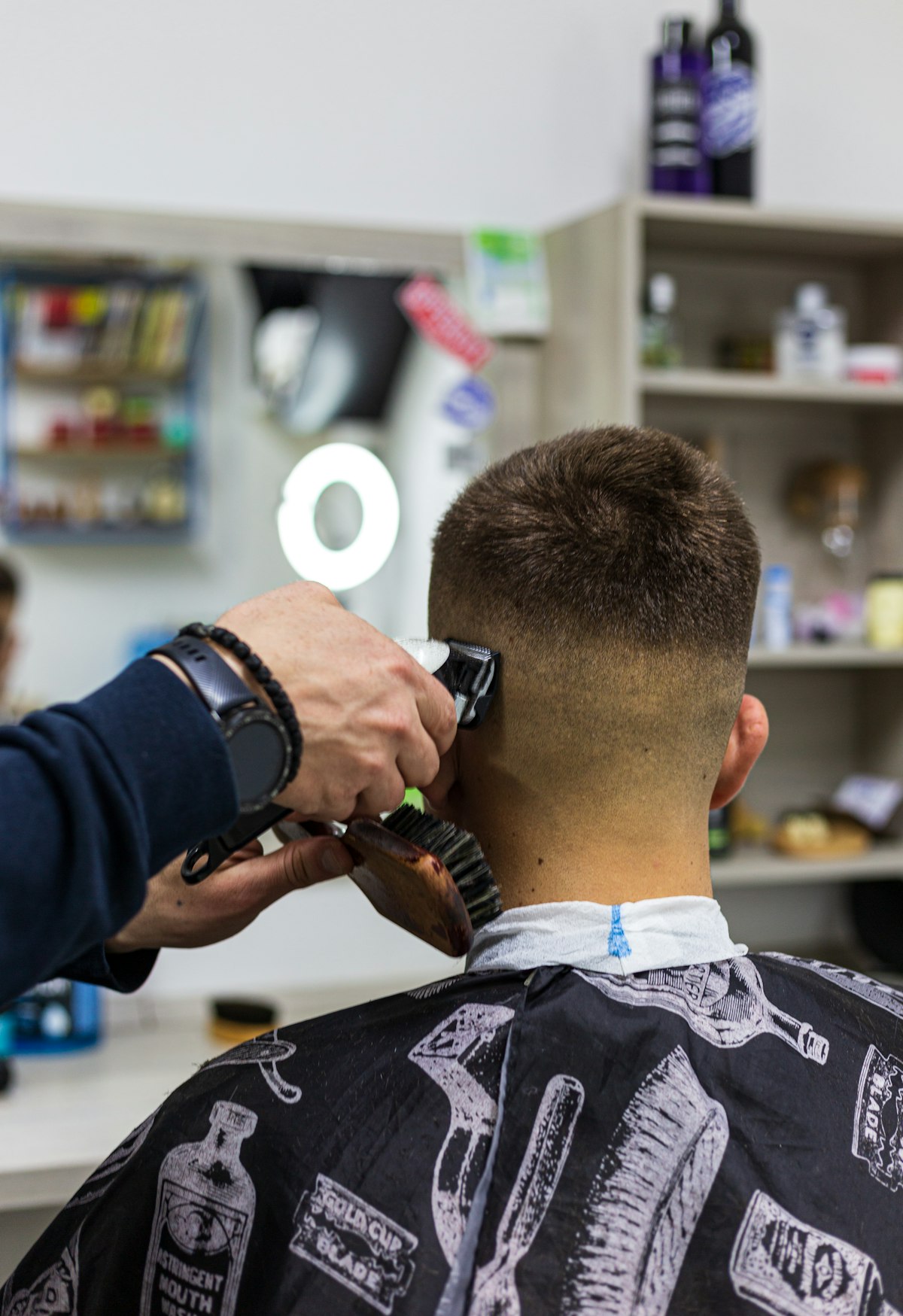
When you start researching hair transplants, you run into graft numbers almost immediately. "2,000 grafts." "3,500 grafts." "4,000+ grafts." The numbers get thrown around constantly, but here's the problem: unless you've seen the results in person, they're completely abstract. What does 3,000 grafts of hair actually look like on a real head? How much coverage is that? And is it enough? Let's put some real context around those numbers.
What a Graft Actually Is
First, a quick clarification that changes everything about how you interpret graft counts. A graft isn't a single hair. A graft is a follicular unit, a tiny cluster that typically contains between one and four individual hairs. On average, each graft produces about 2.2 hairs.
That means 3,000 grafts isn't 3,000 hairs. It's roughly 6,600 hairs. And 4,000 grafts is approximately 8,800 hairs. Suddenly the number feels a lot more substantial.
This distinction matters because some clinics quote in grafts and others quote in hairs, and comparing the two without understanding the relationship can make one clinic's offering look dramatically different from another's even when they're essentially the same. When UrgentCare Hair offers 3,500 to 4,000 grafts in their all-inclusive £2,500 package, that translates to approximately 7,700 to 8,800 individual hairs.
Coverage: What It Means in Practice
The amount of coverage 3,000 to 4,000 grafts provides depends on where those grafts are going. Different areas of the scalp have different density requirements, and a skilled surgeon distributes grafts strategically rather than evenly.
The hairline requires the highest density to look natural. This is the area people see first, the frame of the face, and sparse coverage here looks obvious. A good surgeon will pack the front zone tightly, using single-hair grafts at the very front edge for a soft, natural transition, then gradually increasing to multi-hair grafts as you move back.
The mid-scalp and crown require slightly less density to look full, partly because these areas are viewed at an angle rather than head-on, and partly because the existing hair (if any remains) provides a base that the transplanted hair builds upon.
For a man with a Norwood 3 to 4 pattern, which is the most common profile for patients in their twenties and thirties, think receded temples and early crown thinning, 3,000 to 4,000 grafts typically provides comprehensive coverage of the entire affected area. The hairline gets rebuilt, the temples fill in, and the crown density is restored to a natural-looking level.
For more extensive loss, Norwood 5 and above, 3,000 grafts might focus on the hairline and mid-scalp to create the most impactful visual improvement, with the crown addressed in a potential second session later. Every case is different, which is why the consultation exists: to map your specific pattern and show you exactly what a given graft count will achieve.
The Density Question
There's a number that comes up in hair transplant discussions: 40 to 50 follicular units per square centimetre. That's roughly the density that creates the appearance of a full head of hair. For reference, a person with no hair loss typically has about 80 to 100 follicular units per square centimetre in their densest areas.
You don't need to match the original density to achieve a result that looks completely natural. At 40 to 50 FU/cm², the coverage is thick enough that scalp doesn't show through, the hair can be styled freely, and to any outside observer, it simply looks like a normal head of hair. This is one of the most consistently surprising revelations for patients: you don't need as much hair as you think to look like you have all of it.
The surgeon's skill in distributing those grafts, angling them correctly, and creating natural density patterns is what separates a good result from a great one. The same number of grafts in different hands can produce very different outcomes, which is why choosing the right clinic matters at least as much as the graft count itself.
Comparing Graft Counts Across Clinics
This is where the waters get muddy, and it's worth understanding before you start comparing quotes. Different clinics count differently, and what one clinic calls 3,000 grafts might genuinely be a different quantity from what another clinic calls 3,000 grafts.
The gold standard is counting follicular units: each extracted cluster counts as one graft regardless of how many hairs it contains. This is the method most reputable UK clinics use, including UrgentCare Hair.
Some clinics, particularly those marketing aggressively on volume, count individual hairs instead of grafts. Under this system, "5,000 grafts" might actually be 2,200 to 2,500 follicular units. The result isn't necessarily bad, but the number is inflated.
The way to navigate this is simple: during your consultation, ask specifically how the clinic counts grafts, how many follicular units that translates to, and what average hairs-per-graft ratio they achieve. A transparent clinic will answer these questions clearly and without hesitation.
The Visual Journey
At UrgentCare Hair, every patient gets before-and-after photography as part of their twelve-month follow-up. Those images tell the story more clearly than any graft count.
At day one: thousands of tiny grafts are visible across the recipient area, each one holding the promise of new growth. The scalp is slightly red, and the transplanted area has a closely-cropped, dense appearance.
At one month: most of the transplanted hairs have shed (this is normal, the follicles are still alive underneath). The area looks similar to how it did before the procedure.
At four months: fine new hairs are beginning to emerge. The coverage is thin but unmistakably there.
At six months: visible, meaningful coverage. The hairline is taking shape. The overall density is noticeably improved. This is typically when patients start getting comments from friends and family.
At twelve months: the full result. Natural-looking hair that can be cut, styled, and worn however you choose. The kind of result where nobody would guess it's a transplant unless you told them.
The growth timeline covers this journey in more detail, but the key point is this: 3,000 to 4,000 grafts, placed by experienced hands, consistently produces results that exceed patients' expectations. The numbers are meaningful, but the real proof is in the mirror.
Considering a Hair Transplant?
Natural results from just £2,500, or from £57/month with finance. Book a free consultation or call us now.