
Hair Restoration Journalism
UrgentCare Hair
The First 30 Days After a Hair Transplant: A Realistic Diary
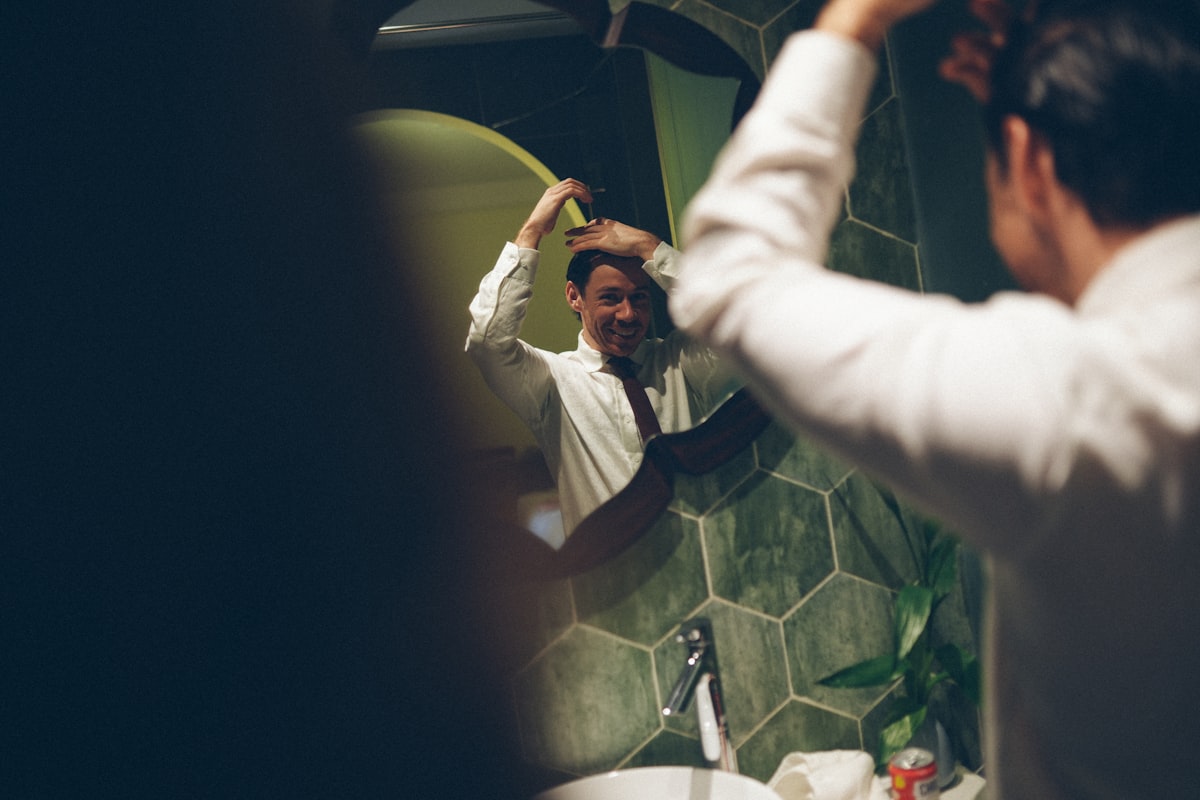
You've had the procedure, you're home, and now the real question begins: what's normal? Every twinge, every itch, every glance in the mirror comes loaded with "is this supposed to happen?" energy. The first month after an FUE hair transplant is a rollercoaster of healing, impatience, and occasional anxiety, but knowing what to expect at each stage makes the whole experience dramatically calmer. Consider this your realistic day-by-day companion.
Days 1 to 3: The Careful Phase
The first few days are all about protection. Your scalp has thousands of freshly placed grafts, and the priority is letting them settle undisturbed.
Your head will feel tight, like a mild sunburn. There's some swelling, particularly around the forehead and temples, which tends to peak around day two or three. Sleeping on your back, slightly elevated, helps keep swelling down. The pillow protector you were given in your aftercare kit is going to earn its keep.
The transplanted area looks red and dotted with tiny scabs forming around each graft. The donor area at the back feels tender but manageable. Most patients find that paracetamol handles any discomfort comfortably.
The biggest challenge in these first days isn't physical: it's psychological. You know you're not supposed to touch the grafts, but your scalp itches. That itch is healing, and it's a good sign. Resist the urge. The grafts are anchoring themselves into their new home, and disturbing them now is the one thing that could compromise the result.
Days 4 to 7: First Wash and Relief
Around day four or five, you'll do your first proper wash using the specialised shampoo from your aftercare kit. This is a moment most patients approach with trepidation and leave feeling surprisingly relieved.
The technique is gentle: lukewarm water, a small amount of the provided shampoo, dabbing and patting rather than rubbing. No direct water pressure on the grafts. It feels delicate, and it is, but it's also deeply satisfying. The accumulation of dried blood and early scabbing starts to loosen, and for the first time since the procedure, your scalp feels clean.
By day seven, the scabs are softening and some are starting to come away during washing. This is normal and expected. The donor area has largely healed, and you might feel comfortable enough to go back to work. Most people find that a hat (worn loosely, not pressed against the grafts) is enough to feel confident in public at this stage.
Days 8 to 14: Scabs and Normality
The second week is when things start feeling genuinely normal again. The scabs continue to fall away during gentle washing. The redness in the recipient area is fading. The donor area looks like a very short buzz cut and is essentially fully healed.
Around day ten to fourteen, you'll notice that the transplanted hairs themselves look like they're growing. Short, stubbly little hairs sitting in the recipient area. Enjoy the sight, because those particular hair shafts are about to do something that'll test your nerves.
This is also the week where the itching intensifies. The scalp is healing actively, and healing skin itches. A gentle application of the provided healing solution can help, but the main coping strategy is patience. Don't scratch. Don't pick. Let the scabs come away in the shower on their own timeline.
Days 15 to 21: The Shedding Begins
Somewhere around week two to three, the transplanted hairs start falling out. This is the shedding phase that everyone warns you about but nobody can fully prepare you for.
You'll see short transplanted hairs on your pillow, in the shower, coming away when you wash. It can look alarming. The instinct is to think something has gone wrong. It hasn't. The follicles beneath the surface are alive and establishing themselves; the hair shafts above are being released as part of the natural transition to a new growth cycle.
Not all the transplanted hairs shed at once. It happens gradually over a couple of weeks. Some patients lose almost all visible transplanted hair; others retain some. Both outcomes are normal.
This is the phase where having a clinic that stays in touch really matters. At UrgentCare Hair, scheduled check-ins happen at key recovery milestones, and the team is available for questions at any point. Hearing "this is completely normal, you're right on track" from someone who sees this every day is worth more than any amount of internet reassurance.
Days 22 to 30: The New Normal
By the end of the first month, you've settled into a new reality. The transplanted area has largely shed its initial hairs and looks similar to how it did before the procedure. The scabs are gone. The redness has faded to a faint pinkness that's barely noticeable.
Your washing routine has normalised. You can wash your hair normally now, with regular pressure and your usual products (though the specialised shampoo from the aftercare kit remains a good choice). You can exercise again, though contact sports should wait another couple of weeks.
The donor area is essentially invisible. At a centimetre of hair length, the extraction sites are undetectable. You can visit a barber without any awkward explanations needed.
And here's the mental shift that happens around day thirty: you stop thinking about it constantly. The first two weeks were consumed by care routines, anxiety, and monitoring. The third week brought the shedding stress. But by the end of the month, the procedure has faded from an active preoccupation to a background fact. You've done it. The follicles are in. Now it's just a matter of time.
What Comes Next
The first thirty days are the most eventful part of the recovery, but they're just the opening chapter. Months two and three are the quiet phase, where growth is happening beneath the surface but nothing is visible yet. Month four brings the first signs of new hair. And by month six, you'll have enough coverage to see the transformation taking shape.
The full growth timeline stretches to twelve months, but the first thirty days are the part that requires the most active engagement from you. After that, the grafts do their work autonomously.
If you're considering a hair transplant and the recovery period is what's holding you back, here's the honest summary: the first week requires care, the shedding phase requires trust, and the rest requires patience. None of it requires bravery. It's a gentler experience than the imagination suggests, and a month from now, you'll wonder what you were worried about.
Considering a Hair Transplant?
Natural results from just £2,500, or from £57/month with finance. Book a free consultation or call us now.